
When my Doktormutter, Prof. Brandt, told me that she had been in the little city of Eichstätt before, I couldn’t quite exactly make sense of what that experience meant for her at the time. I had just received the news that I was going to spend the better part of my summer at the Catholic University Eichstätt-Ingolstadt—a small city in Upper Bayern which Frau Schäfer, the head of the language program, characterized as slow to change: “Ich hoffe, ihr kommt zurück … nichts wird sich geändert haben.” Telling my Doktormutter about this program led her down memory lane a couple of years back when she took a trip down to Eichstätt, and among the experiences which stood for her was the fossil preservation of the Jurassic period, most of which is today’s Eichstätt.
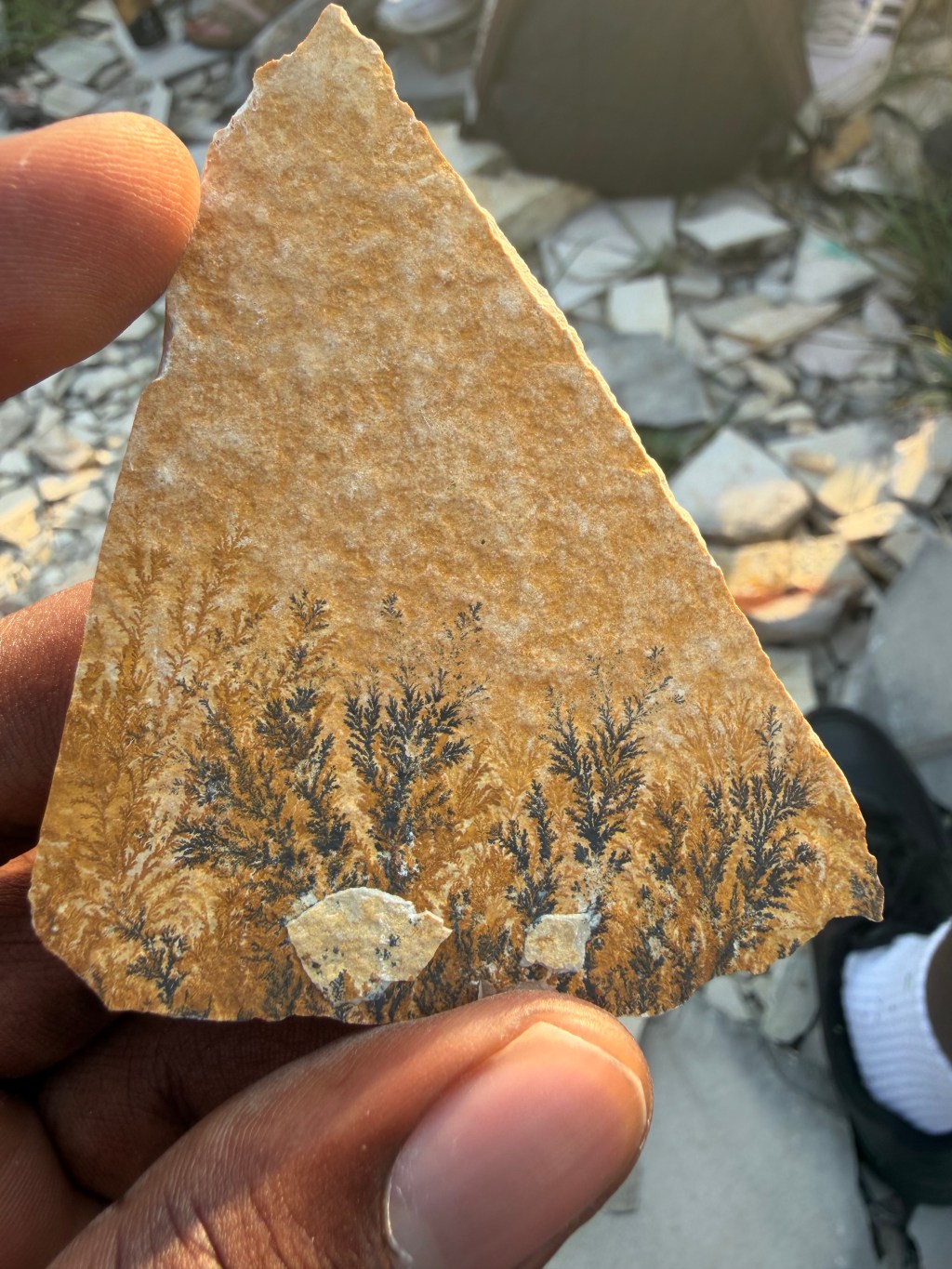
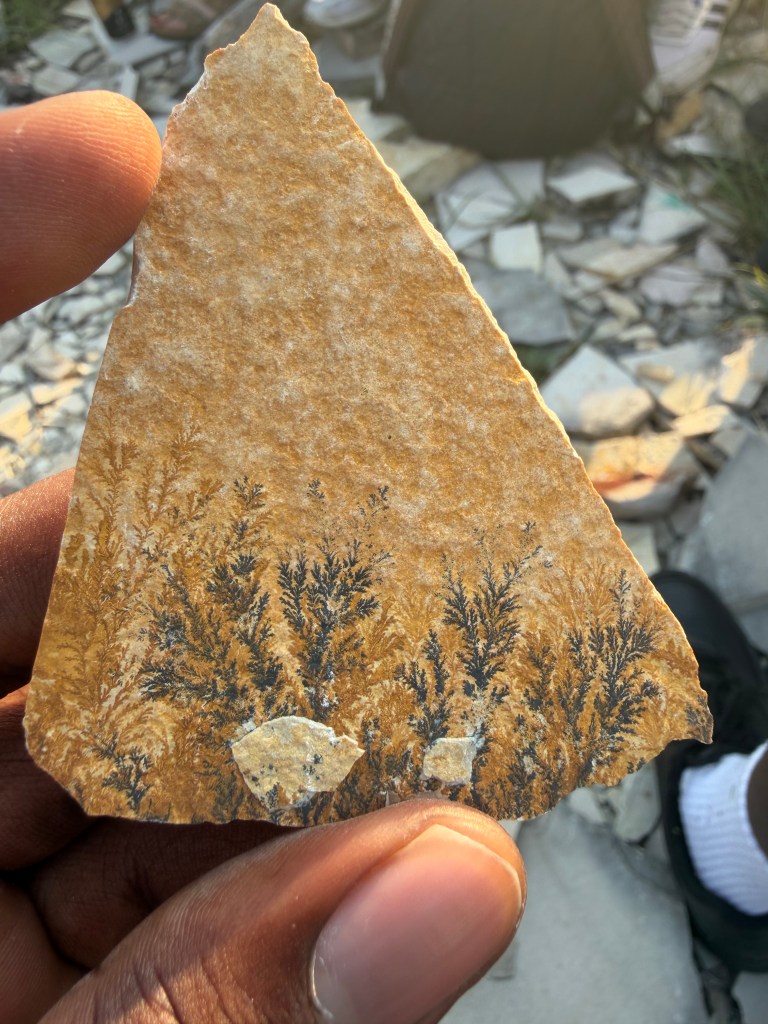
A few months later, upon visiting the Willibaldsburg Castle, which houses the Jura Museum Eichstätt, I could now understand what Dr. Brandt was trying to convey. You see, Eichstätt is famous for the Solnhofen Plattenkalk, the limestone which was deposited some 150 million years ago during the late Jurassic period. At the heart of this paleontological treasure site, one sees how, over time, flora and fauna from this age left an imprint on these stones through a chemical process and intense pressure.
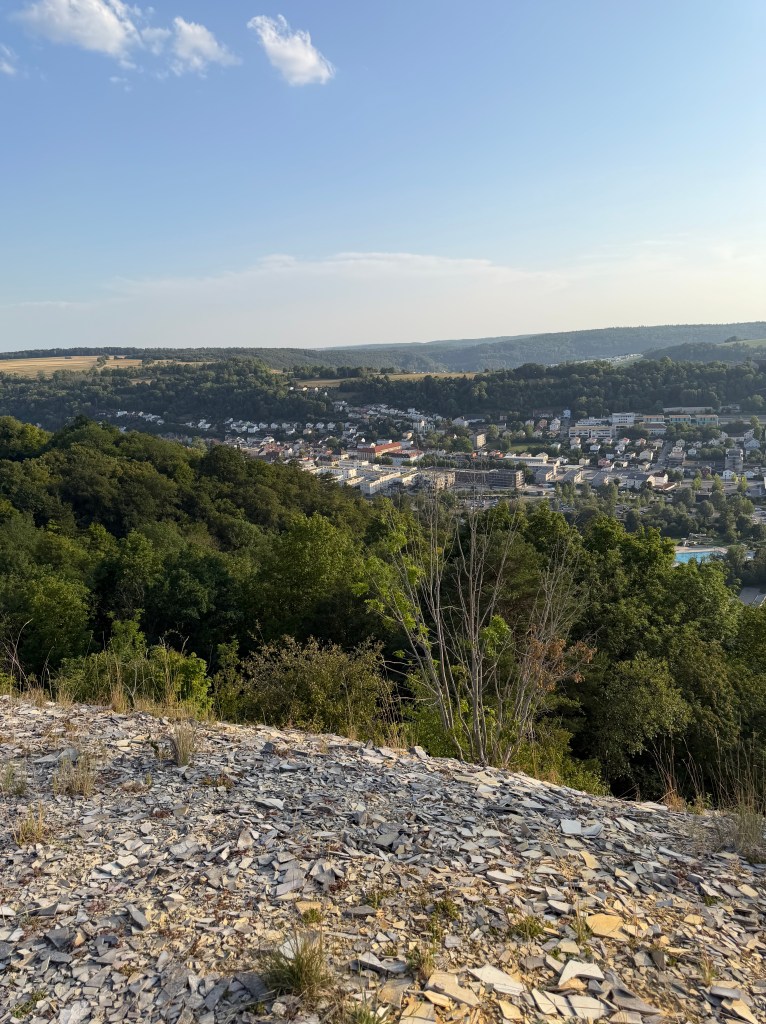
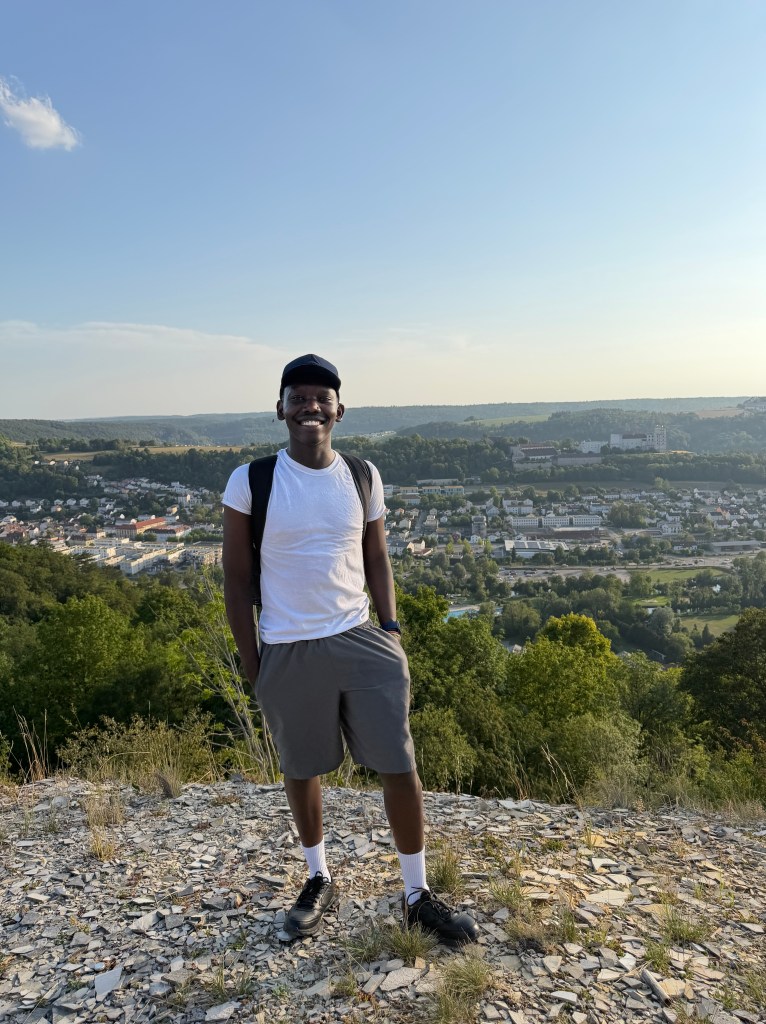
Holding a stone while overlooking the city of Eichstätt, I was reminded of my own mortality and how, just like these plants and animals—now living through memories of those who behold this site—were once active agents in their own ways of navigating life, creating joyful moments, suffering through the demands of their time, and seeking to perhaps challenge their finite states. Yet, many years later, I am holding one of the ferns preserved in a rock!
As I think through peace and infinity, or the lack thereof, I am simply humbled at the thought of how our existence here on earth is very short-lived in comparison to the greater infinity. One of the books I am hoping to read captures this idea very well: “On Earth we’re briefly gorgeous.” Perhaps I like how the German version sounds: “Auf Erden sind wir kurz grandios.” If there is anything that gives me freedom, now more than ever, it is this idea of our short-lived existence, and how much of our “home” (can be looked at from many angles) is actually not spent here on earth, rather on a far-reaching space or idea. Our stories, in the grand scheme of things, will perhaps be told by another totally different generation. Of how we battled the kind of vicissitudes that burden us, of where we attempted to salvage the little pieces of hope and joy left, and how quickly we vanished. But until then, we go through life with this sense of grace, knowing that on earth, we are indeed briefly gorgeous. I leave you with the first stanza of John Donne’s 17th-century poem, “That Time and Absence Proves Rather Helps Than Hurts to Loves”:
ABSENCE, hear thou my protestation
Against thy strength,
Distance and length:
Do what thou canst for alteration,
For hearts of truest mettle
Absence doth join and Time doth settle.
 Introduction
Leave a Reply