
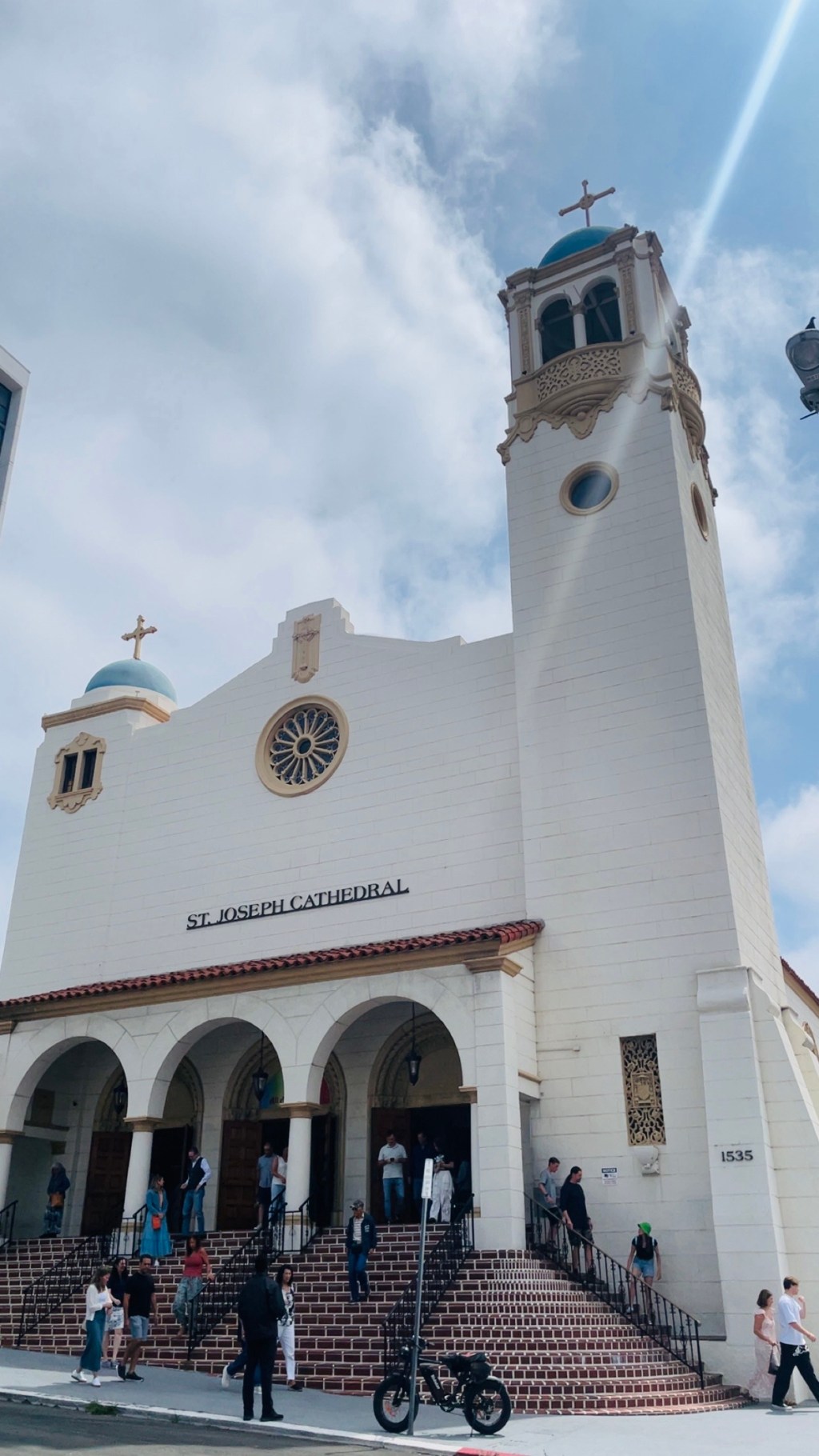
I have never been equally fond—nor particularly proud—of being drawn into critical discourses around colonialism or racism. Not because these topics aren’t crucial (they are), but because I often don’t feel the energy (perhaps as a result of the Fanonian toxicity and exhaustion) or inner momentum to engage with them meaningfully. But somehow, being in the U.S.—especially coming from a background where there was no clear language for racism and where colonialism was both present and silenced in institutional memory—one eventually arrives at these conversations. Differently, perhaps. At different times. But this social reality surfaces now and then.
I remember during my undergraduate studies at Kenyatta University, one professor (Dr. Waweru if memory serves right) teaching us Biblical Hermeneutics (I studied Christian pedagogy, alongside German) made a striking comment in the context of Liberation Hermeneutics:
“The Bible came, but wrapped in the European matrix of civilization.”
It would take me years—and perhaps the painful experience of deracination—to fully comprehend what he meant. Often, in conversations with antagonistic peers, especially from my Kenyan context, I’ve had to rethink how Christianity—and more specifically Catholicism—was historically used to extend the so-called “civilizing mission.” In that process, names were changed, indigenous religious practices were repressed, and eventually, the new phenomenon of Christian identity became a normalized, even cherished, part of modern Kenyan life.
And yet, even as inculturation emerged—where African traditions began to find their way back into religious expression—many still struggle to distance themselves from the core theology that remains Eurocentric. Perhaps that’s the root of the antagonism. Personally, this has never been a major internal conflict. But as I participate more in intellectual spaces, there are aspects I can no longer turn a blind eye to—one being visibility.
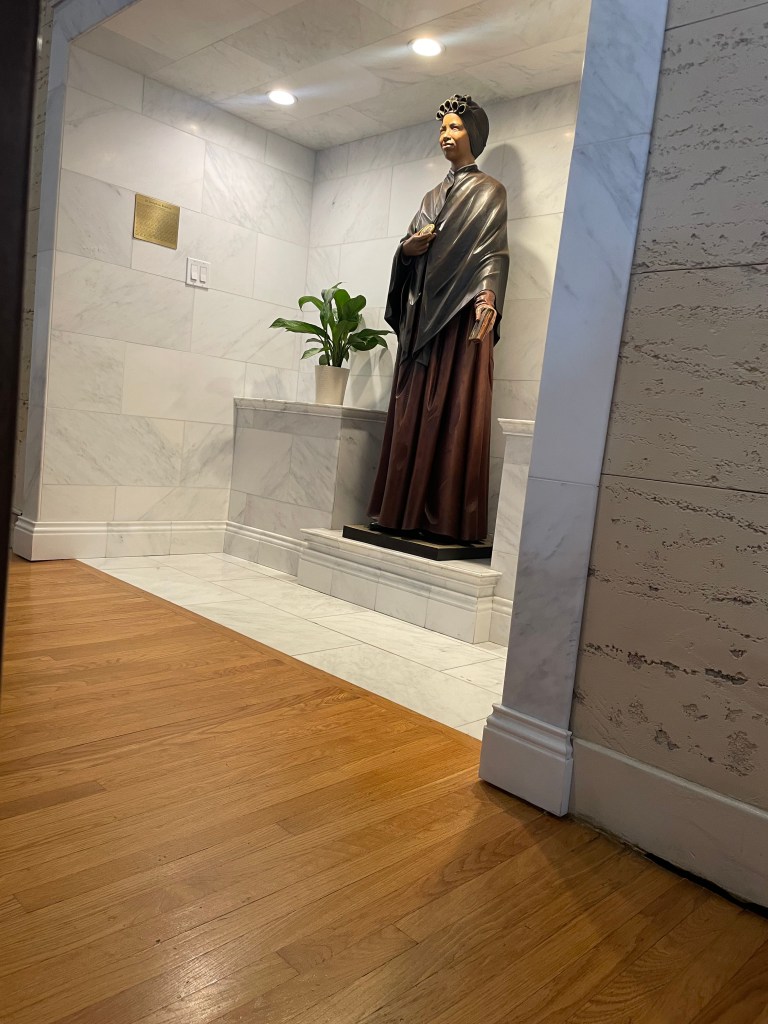
This awareness came to the fore quite unexpectedly, during a 10:00 AM Mass at St. Joseph’s Cathedral in San Diego. I found myself sitting next to the statue of St. Josephine Bakhita.
And I paused.
Perhaps I am ignorant in many ways, but it’s not often that I encounter faith role models of African extraction prominently displayed in church spaces here (and yes, I use “African” here loosely and generally). I know of the Ugandan Martyrs, and of course, early Church Fathers like Tertullian and St. Augustine of Hippo and even Dr. King surfaces in homilies especially during MLK festivities or during the Black history month, But somehow, their stories rarely surface in popular discourse or catechesis.
Perhaps these stories need more visibility. Not merely for representation on a surface level, but for deeper matters: theology, sainthood, and the spiritual resources African heritage offers to the universal Church—the Catholic Church. Their stories are rich with faith, resilience, and community-building—qualities that could inspire diverse congregations, including those here in the U.S. This isn’t about tokenism; it’s about fullness. It’s about seeing God’s grace and love through all the lenses He created.
And maybe, just maybe, making space for that lens too.
 Introduction
Leave a Reply